ServicesKids' Dentistry
Kids' Dentistry in Grafton
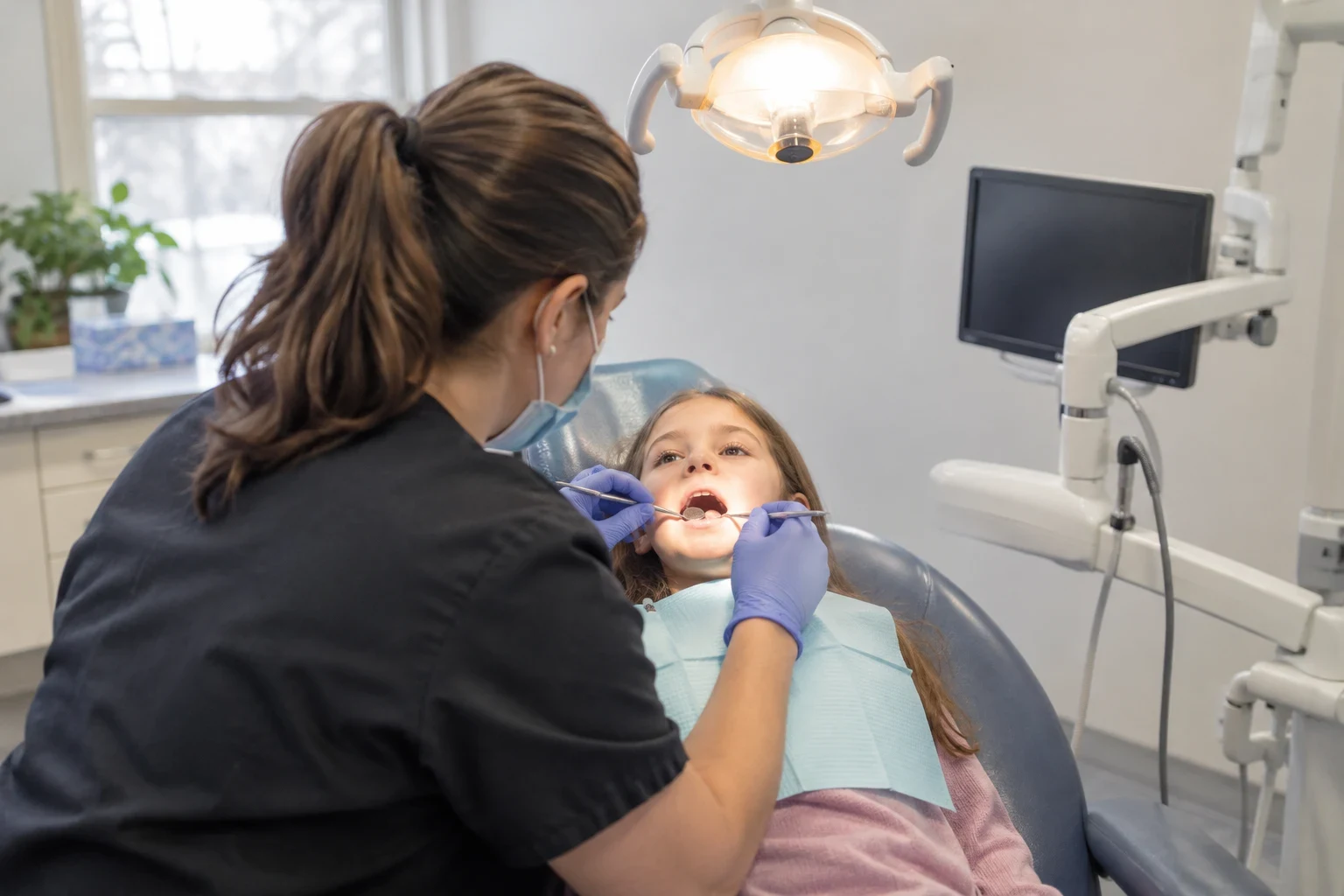
We look after children's teeth from the first tooth onward, with calm visits, gentle cleanings and small fixes caught early. The goal is simple: keep every baby tooth healthy until it falls out on its own, and help your child feel at ease in the chair.
Small Teeth, Long-Term Care
Baby teeth do real work. They help a child chew, speak clearly and hold space for the adult teeth coming in underneath. When one is lost early to decay, nearby teeth can drift into the gap and crowd the permanent tooth that was meant to go there.
That is why our kids' dentistry is built around upkeep. Regular checkups, cleanings and protective steps like fluoride and sealants keep enamel strong, so most visits stay short and easy. When we do find a soft spot, we fix it while it is small.
We have been in practice over 11 years, and many of the children we see come in alongside a parent who is also our patient. Families from Grafton and nearby towns like Shrewsbury, Upton and Millbury often book everyone's visits together.
What a Kids' Visit Includes
- A gentle exam
- We check each tooth, the gums, the bite and how the adult teeth are coming in. For young children, we explain each tool before it touches a tooth.
- Cleaning and polishing
- We remove plaque and tartar from the spots small brushes tend to miss, especially along the gumline and the back molars.
- Fluoride treatment
- A quick varnish painted on the teeth helps harden enamel and slow early decay. It takes about a minute.
- Sealants for molars
- The chewing surfaces of back teeth have deep grooves where food packs in. A thin sealant coating smooths those grooves so they are easier to keep clean for years.
- X-rays when they are needed
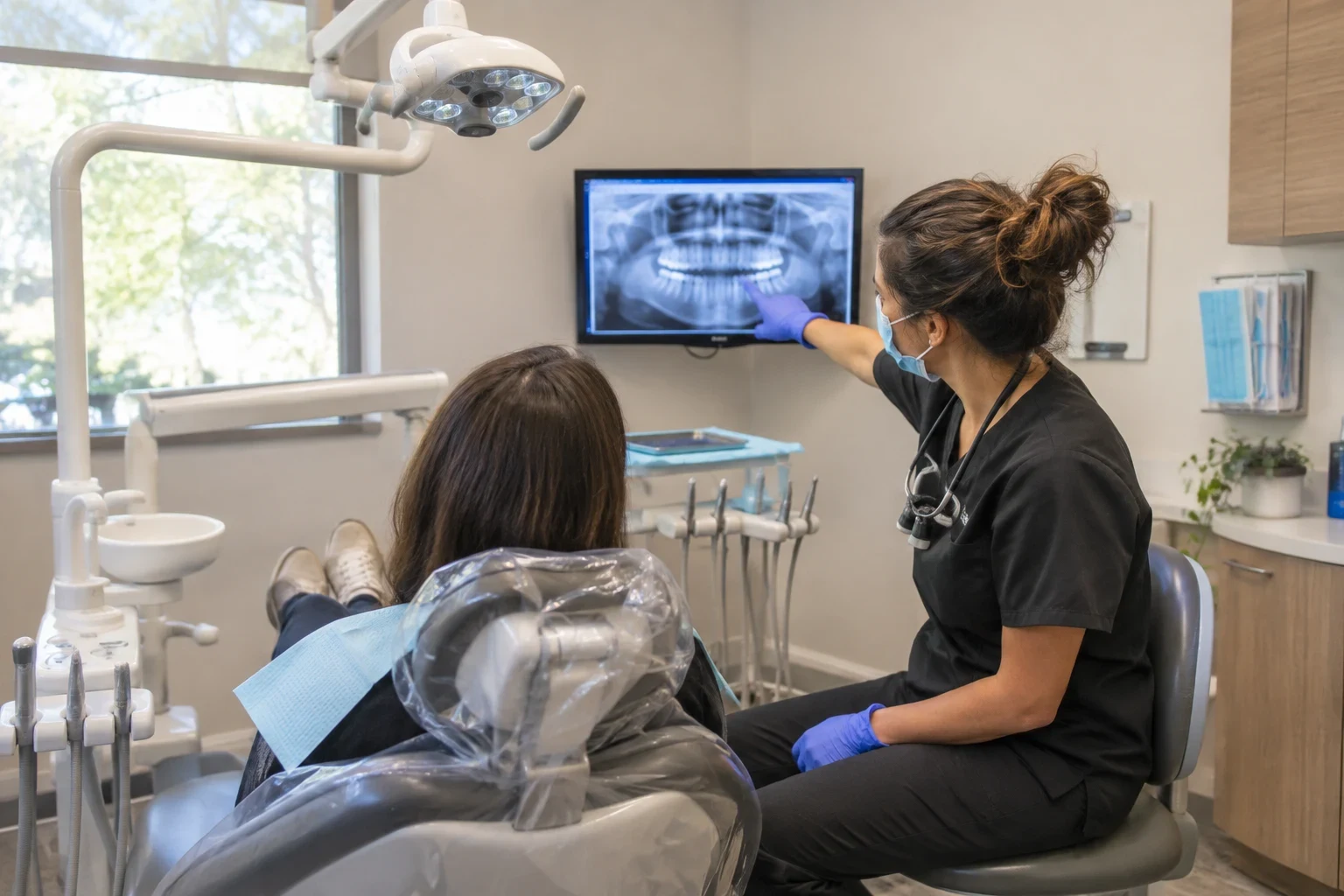
- We take X-rays only when your child's age and history call for them, to spot decay between teeth that cannot be seen by eye.
- Tips for parents
- We show you what we saw and share practical brushing and snack advice for your child's age, without a lecture.
Signs Your Child Should Be Seen
Wincing at cold or sweet foods
Sensitivity during meals or with ice cream is often an early sign of a cavity. Small ones are much easier to fix than larger ones.
White or brown spots
Chalky white patches near the gums can mean enamel is starting to weaken. Brown or dark spots usually mean decay has already started.
Gums that bleed when brushing
Some pink in the sink most often means plaque has settled where the teeth meet the gums. Once we clear it away and your child's brushing reaches those edges, the bleeding usually stops.
A baby tooth lost too early
If a tooth comes out early from decay or a bump, we check whether the space needs to be held open for the adult tooth.
Teeth grinding or a thumb habit
Nighttime grinding or thumb sucking past the toddler years can affect how teeth and the bite develop. We can watch it and tell you if it needs attention.
What Shapes the Cost
Most of a child's dental care is preventive, and preventive visits are usually the least costly part of dentistry. We go over expected costs with you before any treatment beyond the checkup. We accept most dental insurance plans, and we offer an Office Dental Plan for patients without insurance.
Your insurance plan
Many plans cover children's checkups, cleanings and fluoride at a high level. Sealants and fillings vary by plan, so we help you understand what yours covers.
What the exam finds
A routine visit costs less than one that turns up cavities. Catching decay early keeps fillings small and simple.
X-rays and sealants
X-rays are not needed at every visit, and sealants are usually placed once on each molar. Both affect the total for that day.
How you choose to pay
For larger treatment, the CareCredit Patient Payment Plan lets you spread payments over time.
How Your Child's Appointment Goes
- 1
A quick phone call
You call us to set an appointment. Let us know your child's age, any worries and whether this is their first dental visit.
- 2
Getting comfortable
We greet your child by name and let them look around. You are welcome to stay with your child in the room.
- 3
Exam and cleaning
We count teeth, clean and polish, and add fluoride if it fits. For nervous kids, we go slowly and take breaks when they need them.
- 4
A clear talk with you
We show you what we found and lay out any treatment plan in plain terms. If a filling is needed, we explain why and when.
- 5
Planning the next visit
Most children do well with a checkup about every six months. Regular visits keep each one short and familiar.
Questions Parents Ask
When should my child have their first dental visit?
A good time is around the first birthday, or within six months of the first tooth coming in. Early visits are short and mostly about getting familiar. They also let us spot problems before they grow.
Why fix a cavity in a baby tooth that will fall out?
The back baby teeth often hold on until a child is somewhere between 10 and 12 years old. That is a long time for an untreated cavity to keep growing, and it can bring pain, infection or the early loss of the tooth. A small filling now protects the tooth and saves the space the adult tooth will need.
Can I stay with my child during the visit?
Yes. Many kids feel calmer with a parent nearby, and we are happy to have you in the room. Some older children prefer to go in on their own, which is fine too.
My child is nervous about the dentist. What do you do?
We take it slow. We show each tool, let your child touch it and explain what it will feel like before we start. If they need a break, we stop. A few easy visits usually build a lot of trust.
Do sealants really help?
Yes. Sealants fill the deep grooves on back molars where cavities most often start. They are painless to place, need no numbing, and we check them at each visit so they keep protecting the tooth.
Set Up Your Child's Next Checkup
Regular visits keep small teeth healthy and visits easy. Give us a call and we will find a time that works around school and your schedule.