ServicesFillings
Fillings in Grafton
A small cavity is the easiest problem a tooth will ever have. We clean out the decay, rebuild the tooth with a tooth-colored filling and check your bite so it feels normal. Treating it early keeps more of your own tooth for the long run.
Why a Filling Now Saves Work Later
Decay starts in the enamel and moves faster once it reaches the softer layer underneath. At that early stage, a filling is a short visit and most of the tooth stays intact. Wait until it aches, and the same tooth may need a crown or a root canal instead.
Our approach to fillings is about upkeep. We look after the fillings you already have, spot the edges that are starting to leak and replace them before they fail. In practice over 11 years, we have seen how much longer a tooth lasts when small problems get fixed while they are still small.
Patients come to us from Grafton and nearby towns like Shrewsbury, Millbury and Upton. If you are a new patient, we start with an exam so we can see the whole picture before suggesting any treatment.
What Your Filling Visit Includes
- A clear look at the cavity
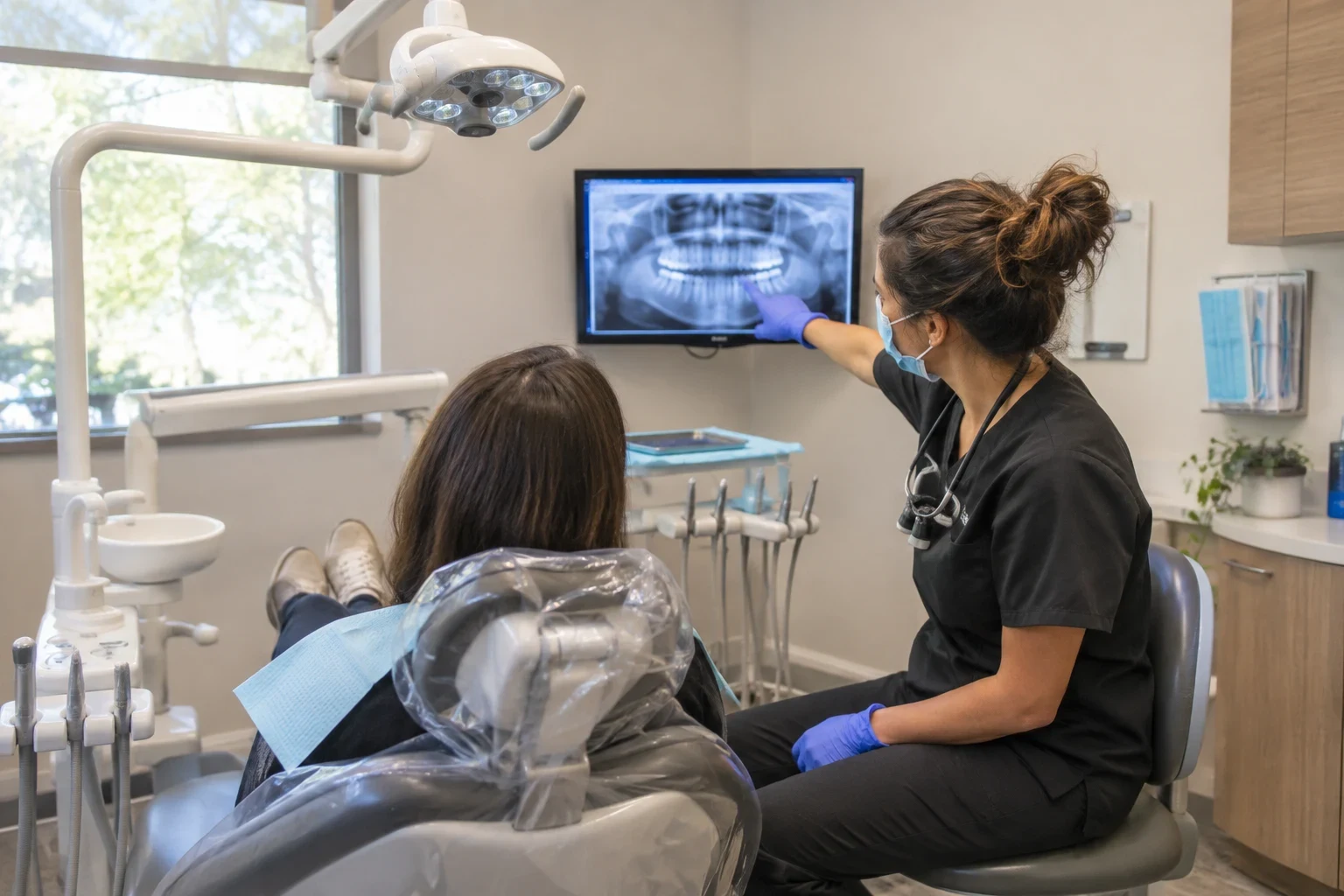
- We use an exam and x-rays to see how deep the decay goes. You see what we see, and we explain whether a filling is the right fix.
- Numbing and gentle care
- We numb the area so you feel pressure, not pain. If you get nervous at the dentist, tell us and we will slow down and check in with you as we go.
- Tooth-colored composite
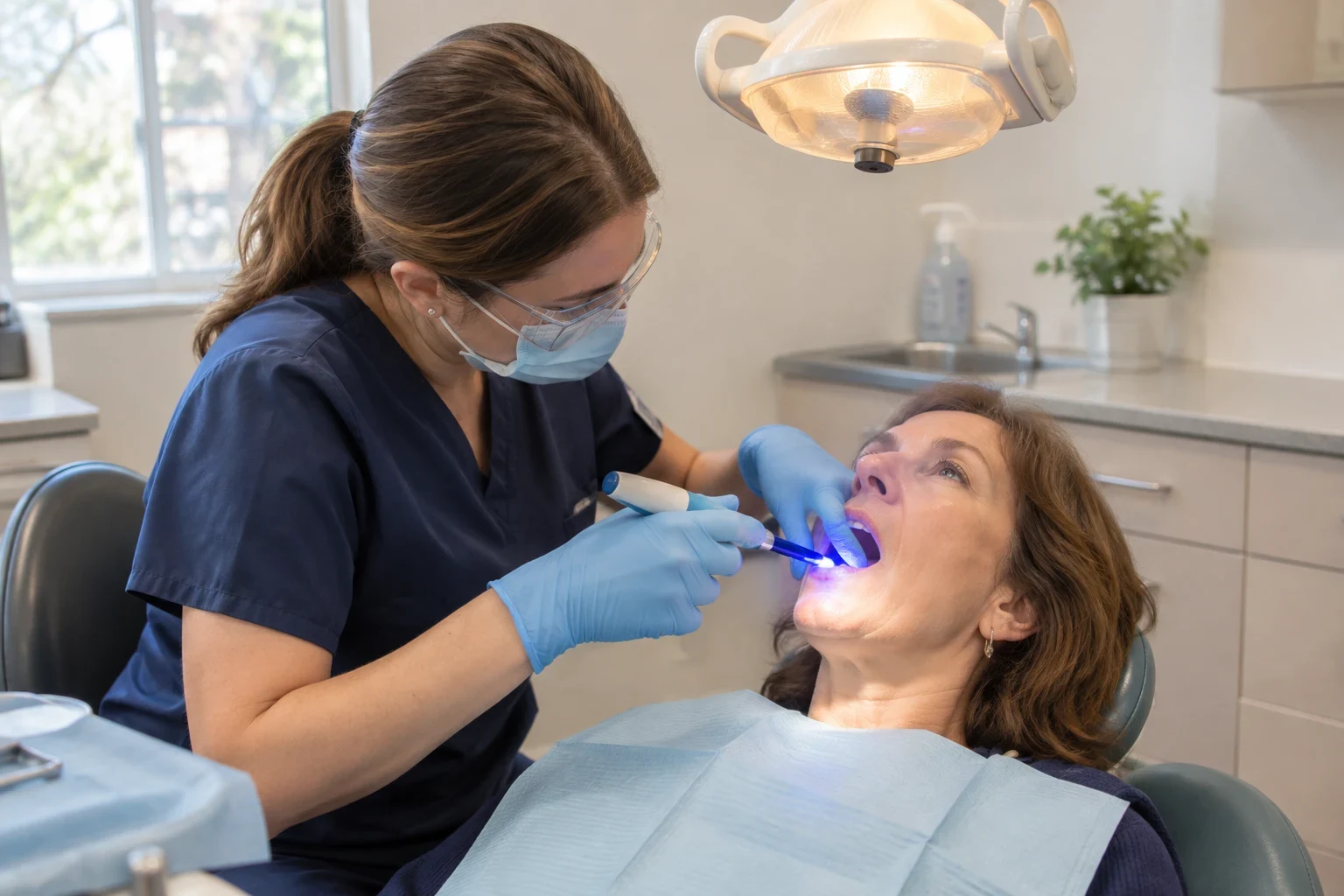
- Most fillings are made from composite resin matched to your tooth shade. It bonds to the tooth in thin layers, and each layer is hardened with a curing light, so you leave with a filling that is already set.
- Replacing worn silver fillings
- Older amalgam fillings can develop gaps and hairline cracks around the edges where new decay hides. When one is failing, we remove it, clean out what is underneath and rebuild the tooth.
- Bite check and polish
- Before you leave, we have you bite down on marking paper and adjust any high spots. A filling that sits too high can make the tooth sore, so this step matters.
Signs You May Need a Filling
Sensitivity to sweets or cold
A quick zing when you sip something cold or eat candy often means enamel has worn through to the layer below.
Food catching in one spot
Floss that shreds or food that keeps packing between the same two teeth can point to a cavity or a broken filling edge.
A dark spot or rough edge
Brown or gray areas, or a sharp edge your tongue keeps finding, are worth a look even if nothing hurts yet.
An old filling that looks different
Chips, dark lines around the edge or a filling that feels loose usually mean it is wearing out. Catching it now often keeps the fix to a new filling instead of a crown.
Pain when you bite
Discomfort when chewing can come from deep decay or a crack. We will check which it is before recommending anything.
How the Appointment Goes
- 1
Exam and plan
We look at the tooth, take any x-rays we need and talk through your treatment plan, including cost and what your insurance is likely to cover.
- 2
Numbing and decay removal
After the area is fully numb, we clear out only the softened, decayed material. Sound enamel and dentin stay in place, since every bit of natural structure helps the tooth last.
- 3
Building the filling
We keep the tooth dry, place the composite in layers and shape it to match the way your teeth meet.
- 4
Bite adjustment and aftercare
We fine-tune your bite and explain what to expect. Mild sensitivity for a few days is common, and the numbness wears off within a few hours, so be careful chewing until then.
What Affects the Cost of a Filling
Each filling is priced on what that tooth actually needs, and we walk you through the cost before any work begins. Most dental insurance plans are welcome here. If you have no coverage, our Office Dental Plan is an option worth asking about, and the CareCredit Patient Payment Plan lets you spread the cost over time.
- How many surfaces are involved
- A cavity on one surface is a smaller filling than one that wraps around the side and top of a tooth.
- Which tooth it is
- Back molars take more chewing force and can be harder to reach, which can change the time and material involved.
- Removing an old filling
- Taking out a worn filling and cleaning the decay beneath it adds a step compared with a brand-new cavity.
- Your insurance or plan
- Coverage for fillings varies by plan. We help you sort out your benefits so the cost is clear before treatment.
Questions About Fillings
Something not covered here? (508) 938-8228
Does getting a filling hurt?
With the area numbed, most patients feel pressure and vibration rather than pain. The shot itself is a brief pinch. Afterward, the tooth may be a little sensitive to cold for a few days, and that usually settles on its own.
How long will my filling last?
That depends on the size of the filling, where it is and how you care for it. Brushing, flossing and regular visits for Exams & Cleanings help a filling last much longer. We check your fillings at every exam so we can catch wear early.
Should I replace my old silver fillings if they don't bother me?
Not automatically. If an old filling is sealed well and the tooth is healthy, we leave it alone. We recommend replacing one only when we see cracks, leaking edges or decay underneath, and we will show you what we found.
What if the cavity is too big for a filling?
When decay or a crack has taken out a large part of the tooth, a filling may not hold up under chewing. In that case we will talk with you about a crown, which you can read about on our Crowns & Bridges page. If a tooth cannot be saved, we explain the options, including Extractions.
Can I eat after a filling?
Composite fillings are hardened before you leave, so you can eat once the numbness wears off. Waiting avoids biting your cheek or tongue while it still feels numb.
Get That Cavity Taken Care of Early
A small filling now can spare you a bigger repair later. Give us a call and we will find an appointment time that works for you.